
The Automotive Infotainment & SDV Hiring Landscape (2026)
Mon, 16 Feb 2026
Follow the stories of academics and their research expeditions
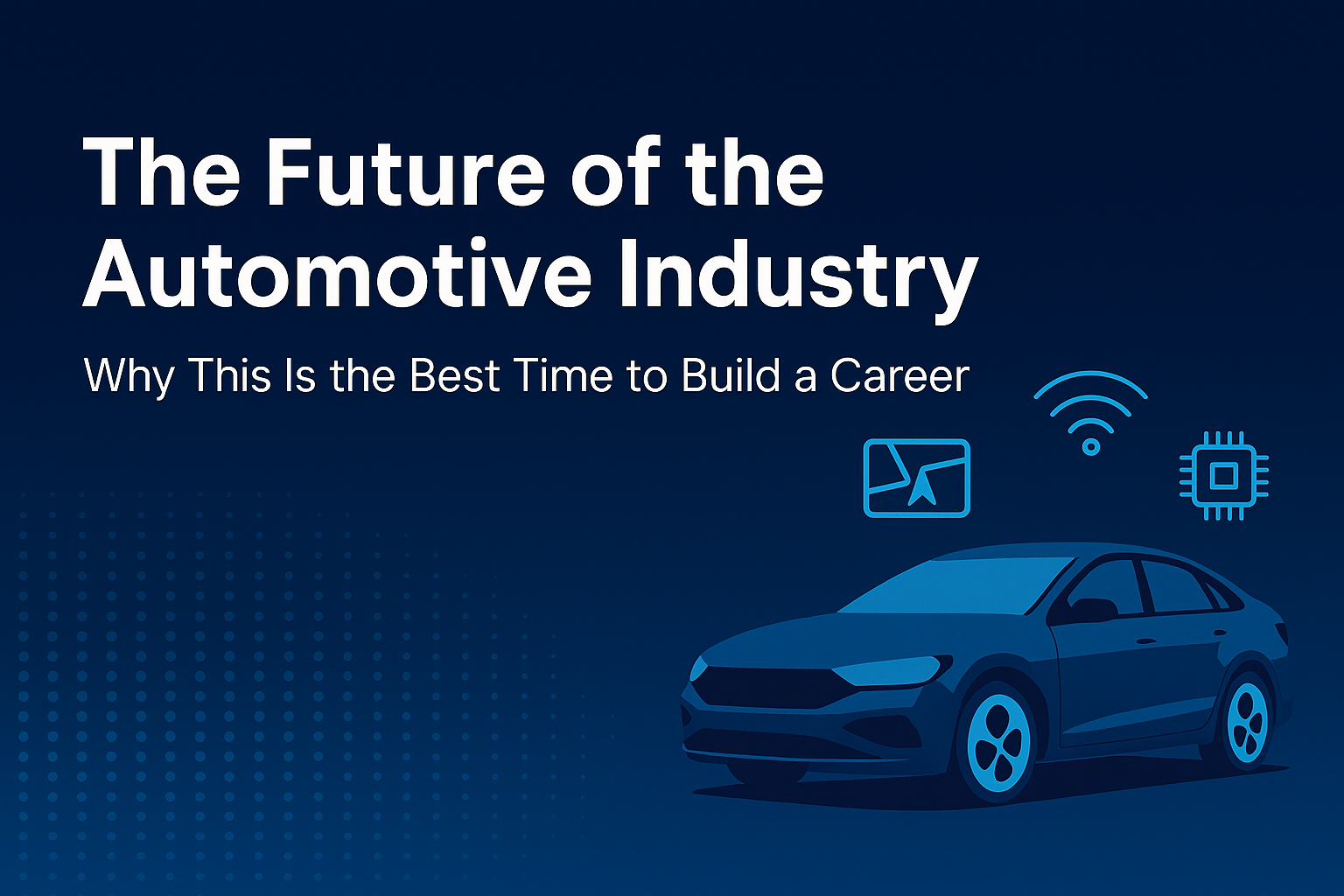
The automotive industry is undergoing one of
the biggest transformations in its history. What once was a sector driven
mainly by mechanical engineering has now become a world of software,
electronics, connectivity, automation, and data‑driven intelligence. Modern
vehicles are evolving into computers on wheels, powered by sophisticated
embedded systems and advanced digital technologies.
For students, freshers, and professionals
looking to enter this space, this shift is creating massive opportunities
across software development, infotainment testing, diagnostics, connectivity,
telematics, and more.
In this blog, we explore the major trends
shaping the automotive industry and why now is the perfect time to build a
career in this dynamic domain.
The Rise of Software‑Defined Vehicles
Cars today are no longer defined only by
horsepower or fuel efficiency—they are defined by software capabilities.
Most vehicles now contain 70–100+ Electronic Control Units (ECUs), handling
everything from:
This increased software dependency has created
a huge demand for engineers who understand vehicle electronics, CAN, UDS,
middleware, and system testing.
Infotainment – The Heart of the Modern Car Experience
Among all automotive technologies, infotainment
(IVI – In‑Vehicle Infotainment) has grown the fastest. Today’s users expect
their car to seamlessly connect with their digital life.
Infotainment systems include:
Because infotainment directly affects customer
satisfaction, companies invest heavily in testing these features. This creates
strong job opportunities for those who understand infotainment flows, logs,
debugging, and validation.
Connected Cars, Telematics & OTA Updates
Cars today are more connected than ever
before.
Telematics and connected systems allow
vehicles to:
As connectivity expands, companies need
engineers skilled in telematics protocols, networking, mobile connectivity, and
backend communication systems.
Electric Vehicles (EVs) Are Changing Everything
The global shift towards electric mobility
is reshaping the automotive industry at a massive scale. EVs rely heavily on:
This opens doors for engineers with strong
embedded and diagnostics skills.
Why Automotive Testing Skills Are in High Demand
Before a vehicle reaches customers, every
feature must be tested thoroughly—for safety, reliability, and user experience.
Testing roles include:
With companies investing in software‑driven
features, testing has become a core part of automotive engineering.
Why You Should Build a Career in the Automotive Domain
Whether you're a fresher starting your journey
or a professional looking to switch domains, automotive offers unmatched
opportunities.
Here’s why:
✔ Huge demand for skilled engineers
OEMs and Tier‑1 suppliers are rapidly hiring
for infotainment, diagnostics, CAN/UDS, and connectivity roles.
✔ Fast-growing technologies
EVs, ADAS, telematics, and connected car
ecosystems are expanding every year.
✔ Strong career stability
Automotive is a long-term, essential market
with continuous investment.
✔ Skill-focused growth
Even with moderate programming knowledge,
engineers can build successful careers in testing and system validation.
Final Thoughts
The automotive industry is moving toward a
future driven by software, intelligence, and connectivity. As the world
embraces EVs, smart vehicles, and digital dashboards, the demand for automotive
engineers—especially in infotainment, diagnostics, and embedded
systems—continues to grow rapidly.
If you're planning to enter this field or
looking to strengthen your skills, now is the best time to begin your journey.
Mon, 16 Feb 2026
Mon, 16 Feb 2026
Leave a comment